
Launching a new website or digital storefront is a major milestone, but the true challenge begins with securing organic visibility and attracting qualified customers without burning budgets on paid ads. This is where Search Engine Optimization (SEO) serves as the ultimate long-term growth engine. In 2026, Google's ranking algorithms have matured significantly—prioritizing user engagement, technical fluidity, and authentic intent over outdated tactics like keyword stuffing.
1. Technical SEO & Robust Site Architecture
Technical optimization is the foundational layer ensuring search crawlers can discover, interpret, and index your digital pages without hindrance:
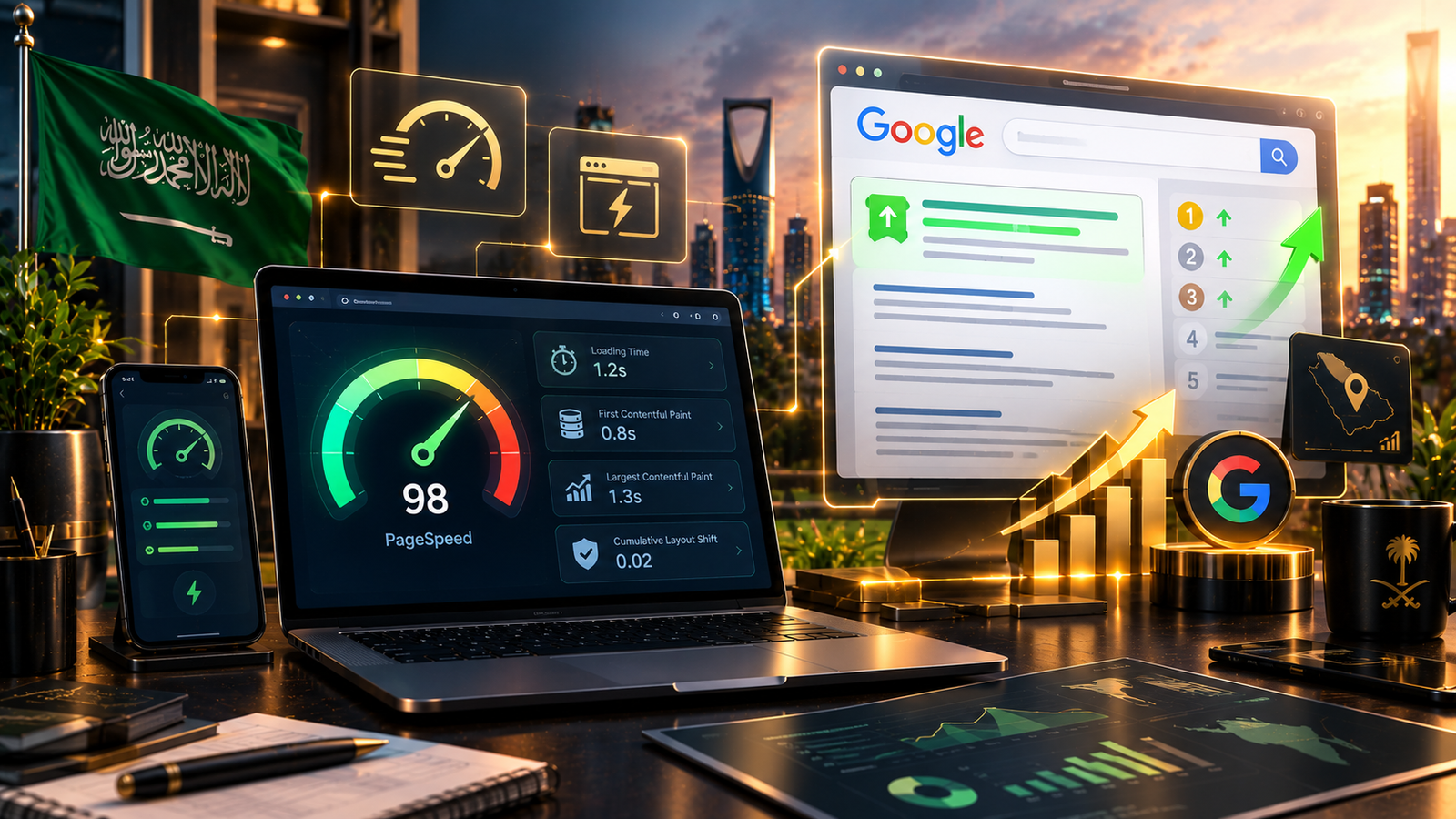
- Core Web Vitals & Loading Velocity: Search engines heavily penalize sluggish pages. Sub-two-second load times, instant visual stability, and immediate responsiveness are mandatory.
- Mobile-First Indexing: Google predominantly evaluates your website based on its mobile performance and responsiveness across smartphones and tablets.
- Security Infrastructure (HTTPS / SSL): An encrypted connection is no longer optional; it is a fundamental trust factor and ranking baseline for all modern platforms.
- Clean URL Hierarchy & XML Sitemaps: Maintaining streamlined URL paths, an updated
sitemap.xml, and a properly structuredrobots.txtfile streamlines crawler navigation.
2. Search Intent Alignment & Helpful Content Standards
Modern search algorithms prioritize providing direct, deeply insightful solutions that resolve the searcher's precise intent:
- Comprehensive Depth: Move beyond surface-level summaries. Deliver actionable guides, analytical comparisons, and structured data that fulfill user queries entirely in one place.
- E-E-A-T Principles (Experience, Expertise, Authoritativeness, Trustworthiness): Google rewards content created by real practitioners with demonstrable domain authority and verified credentials.
- Scannable UX Architecture: Utilize clear heading structures (H1, H2, H3), concise paragraphs, and bulleted breakdowns to extend on-page dwell time and reduce bounce rates.
3. Structured Data Implementation (Schema Markup)
Implementing structured Schema.org data (such as Product Schema for e-commerce, Article Schema, and FAQ Schema) enables search engines to decode your page taxonomy efficiently. This qualifies your brand for rich snippets—showcasing star ratings, pricing, and key answers directly in search result pages, drastically uplifting Click-Through Rates (CTR).
4. Best Practices vs. Outdated Ranking Errors
| Evaluation Metric | Modern SEO Strategy | Detrimental Mistakes |
|---|---|---|
| Keyword Integration | Natural, contextual, and semantic phrasing | Unnatural keyword stuffing and duplication |
| Backlink Profile | High-authority, contextually relevant citations | Spam link purchases leading to algorithmic penalties |
| Page Performance | Next-gen image compression and smart caching | Bloated scripts and unoptimized visual media |
| Internal Linking | Logical topic clustering and navigational link flows | Orphaned pages without cross-referencing |
5. Strategic Backlink Profiles and Domain Authority
Quality backlinks serve as definitive votes of confidence in the eyes of search algorithms. Focus on authoritative citations, guest publications, and proprietary industry insights that naturally compel external creators to reference your platform as a primary source.
6. Summary & Strategic Takeaways
SEO is a compounding digital investment, not an overnight shortcut. Websites and e-commerce stores that merge technical excellence, intuitive user experiences, and problem-solving content are the ones that secure top rankings and achieve sustainable, organic conversion pipelines.